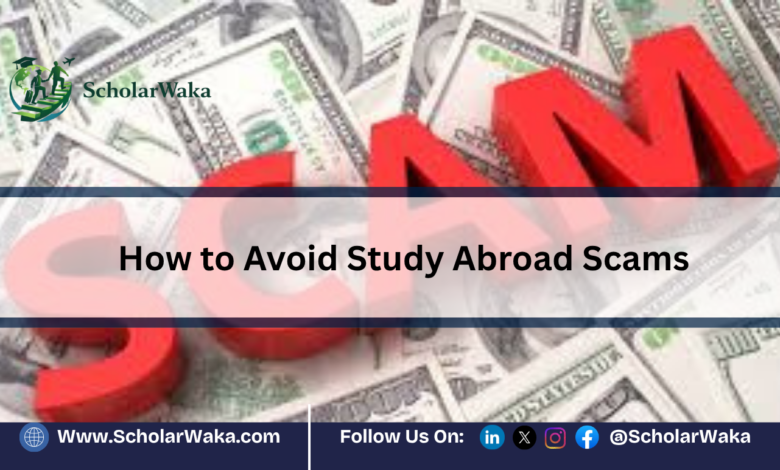
How to avoid study abroad scams is important for students who want to study in another country and are searching for admission or scholarship opportunities.
Many students fall into scams because they are desperate to secure admission or funding. Scammers take advantage of this by offering fake admissions, fake scholarships, or false promises. This can lead to loss of money, wasted time, and missed opportunities.
When you understand how these scams work and how to identify them, you can protect yourself and make safer decisions.
Check out this US scholarship Tulane University Master’s Scholarship 2026 in USA | How to Apply
Scholarship Categories to Explore on ScholarWaka— Here are some key scholarship opportunities you should check out on ScholarWaka:
- Study Abroad: Study in USA | Study in Canada | Study in UK | Study in Europe | Study in Asia | Study in Australia | Study in Africa
- Scholarship Category: Undergraduate Scholarships | Postgraduate Scholarships | Masters Scholarships | PhD Scholarships | Diploma Scholarships | Competitions | High School Scholarships | Internships Scholarships | Training | Fellowships
Understanding What Study Abroad Scams Are
Understanding what study abroad scams are is very important, they involve fraudulent activities that target students who want to study in another country. These scams may involve:


- Fake admission offers
- Fake scholarship programs
- Unreal agents or consultants
- False visa assistance
Check out this scholarship in Europe Croatia Government Scholarships 2026/2027 | How to Apply
A good example is a student may receive an email claiming they have been offered admission without applying. The email may then request a payment to “secure the offer.” This is a common scam, and understanding what scams look like is the first step in avoiding them.
Avoiding Offers That Seem Too Good to Be True
One of the biggest warning signs of a scam is an offer that sounds too easy or too good.
For example:
- Guaranteed admission without meeting requirements
- Full scholarships without any application
- Very low fees for expensive programs
Explore this scholarship in the US University of Illinois Springfield M.Sc Scholarship 2026 in USA | Fully Funded
A student may be told, “You don’t need IELTS or documents, just pay and we will process everything.” This is a red flag. Legitimate universities and scholarships always have clear requirements. If an offer removes all requirements, it is likely a scam.
Other Scholarships in the UK You Might Love On Our YouTube Channel:
Verifying Universities and Programs
How to Avoid Study Abroad Scams involves always confirming that the university or program is real. Visit the official website of the institution. Check if the course you are applying for is listed.
A scammer may create a fake website that looks like a real university. If you search carefully, you may notice incorrect web addresses or missing information. You can also check if the university is recognized by official education bodies. Verifying the institution helps you avoid fake admissions.
Explore this Scholarship in UK Churchill Cambridge Scholarship 2027 in UK | Fully Funded
Applying Only Through Official Channels
Always submit your application through official university portals or trusted platforms. Avoid sending your documents to random emails or unofficial websites.
For instance, if a university requires applications through its website, do not send your documents to a personal email address claiming to represent the school.
Using official channels ensures that your application is properly received.
Check this US scholarship out North Carolina State University Scholarship in USA 2026 | Fully Funded
Being Careful with Agents and Consultants
Some agents are genuine, but others are not. Be careful when dealing with agents. Do not trust agents who:
- Ask for large upfront payments
- Guarantee admission or visa approval
- Refuse to provide clear information
Explore this scholarship in Europe Universität Hamburg Merit Scholarship 2026 in Germany | How to Apply
An agent who says “Pay now, and your admission is guaranteed”, is likely not trustworthy. A genuine consultant will guide you but will not make unrealistic promises. Always verify the agent’s credibility before working with them.
Never Paying Unverified Fees
How to avoid study abroad scams involves knowing that scammers often ask for payments before providing any real service. They may request money for:
- Admission processing
- Scholarship application
- Visa assistance
Before making any payment, confirm that the request is legitimate. Universities usually provide official payment instructions through their website.
If you are asked to send money to a personal bank account, this is a red flag. Always verify payment details before sending money.
Checking Scholarship Information Carefully
Many scams involve fake scholarships. These may promise full funding without proper application processes. Always verify scholarship information from official sources.
A legitimate scholarship will have:
- Clear eligibility criteria
- Application process
- Official website
If a scholarship asks for payment to apply, it is likely a scam. Most genuine scholarships do not charge application fees.
Check out Other Related Articles
- How to Prepare Yourself for Scholarships: Even If You’re Not Applying Yet – Easy Guide
- Academic Grades or Leadership Impact: What Actually Gets You Scholarships in 2026?
- How to Understand What Scholarship Committees Are Really Looking For | Easy Guide
- How to Use AI for Scholarship Research Without Getting Misled | Easy Guide
- Common Reasons Scholarship Applications Fail – Easy Guide
- How to Prepare for a Scholarship Interview | Scholarship Guide
Protecting Your Personal Information
How to avoid study abroad scams also involves protecting your personal information because scammers may try to collect your personal information. This includes:
- Passport details
- Bank information
- Academic records
Be careful when sharing your information, do not send your passport details to unknown emails.
Only provide your information through secure and official platforms. Protecting your data helps prevent identity theft.
Reading Reviews and Seeking Advice
Before applying or working with any agent or organization, check reviews. Look for feedback from other students. You can also ask questions in trusted student communities.
For example, a student who is unsure about an agent can ask others about their experience.
Negative reviews or complaints can be a warning sign. Seeking advice helps you make informed decisions.
Explore and apply for this scholarship 2026 Miami University Presidential Fellows Scholarship in USA | Fully Funded
Recognizing Pressure and Urgency Tactics
Scammers often create urgency to pressure students. They may say:
- “Offer expires today”
- “Limited slots available”
- “Pay immediately to secure your place”
This is done to prevent you from thinking carefully.
A student may rush to make a payment because they fear losing the opportunity. Legitimate universities and scholarships give clear deadlines. They do not pressure you to make immediate decisions.
Trusting Official Communication Channels
Always communicate through official channels. Universities usually use official email addresses with their domain name. An official email will end with the university’s domain, not a free email service.
If you receive messages from unofficial emails claiming to represent a university, verify them before responding. This helps you avoid fake communication.
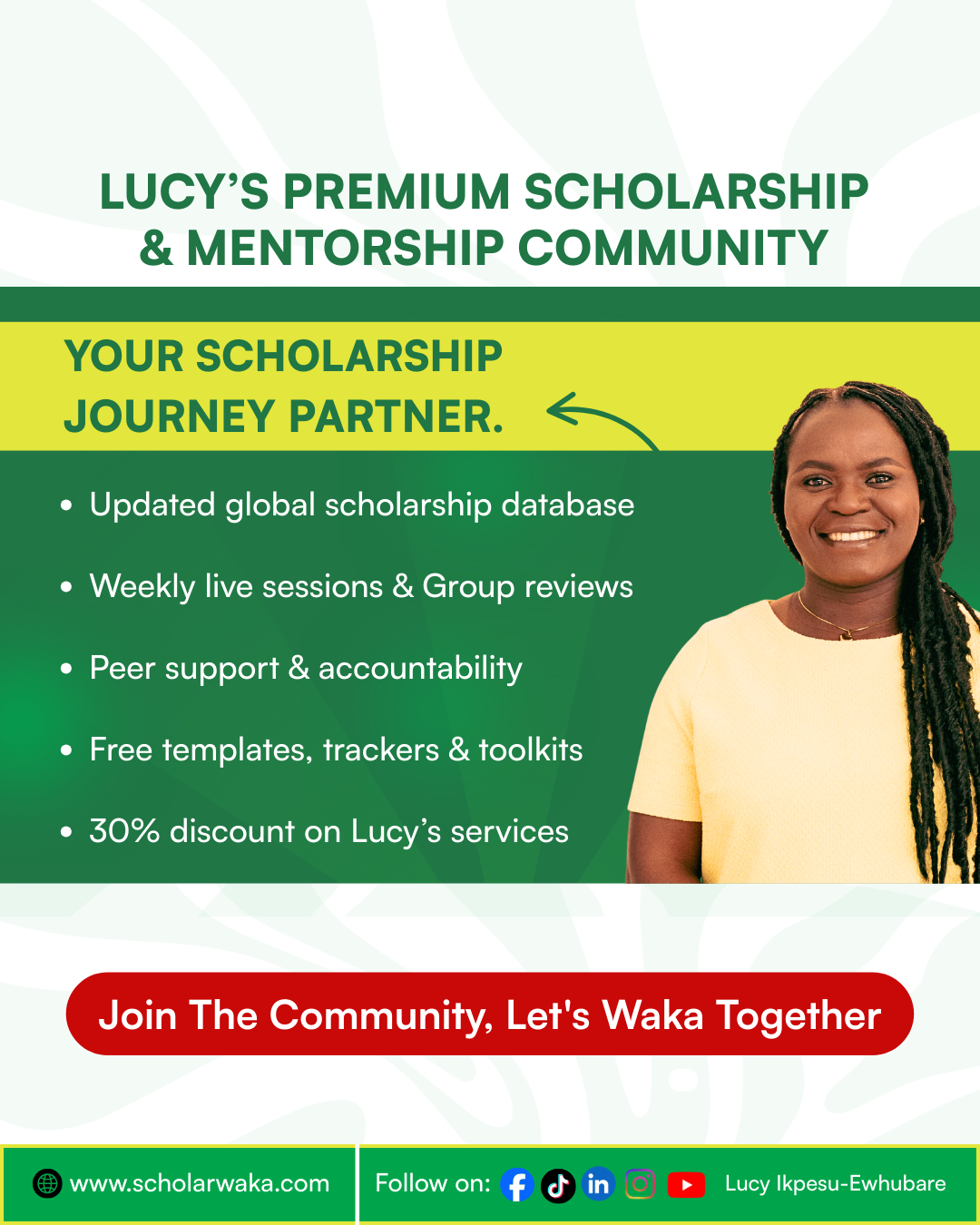
Join ScholarWaka Community
Get the latest scholarship updates and study abroad opportunities before anyone else.
Staying Informed and Alert
The best way to avoid scams is to stay informed. Learn about the study abroad process. Understand how admissions, scholarships, and visas work.
A student who understands the normal application process is less likely to believe false promises. Being informed helps you recognize scams quickly.
Conclusion
How to avoid study abroad scams is essential for students planning to study abroad.
By verifying information, using official channels, avoiding unrealistic offers, and protecting your personal details, you can stay safe. Always take your time to confirm opportunities before making decisions.
With awareness and careful steps, you can avoid scams and focus on genuine opportunities for your education.