2026 University of Idaho Masters Scholarship in USA

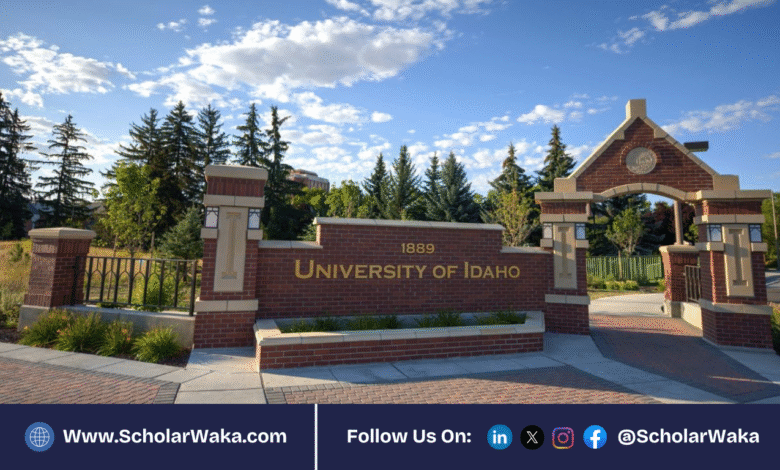
Applications for this Master’s assistantship closed on 15 December 2025, but this comes from the same active, expanding research programme covered in the PhD version of this posting — Dr Melinda Ellison’s virtual fencing research group at the University of Idaho’s Nancy M. Cummings Research, Extension, and Education Center.
Don’t Miss: Top Fully Funded Scholarships for International Students
This isn’t a small, uncertain lab hoping for its next grant; Ellison’s team holds multiple active grants totalling several hundred thousand dollars, including funding from Montana State University’s WSARE programme and the Bureau of Land Management Foundation, and a new $181,000 project from the Foundation for America’s Public Lands is scheduled to begin in March 2027, focused on using virtual fencing to establish wildfire fuel breaks along roadways.
Because this Master’s position and the PhD assistantship both draw from the same broader research programme, watching this specific lab for future openings — at both degree levels — is a genuinely reasonable strategy rather than a hopeful guess. This guide covers what the closed Master’s position involved and what to watch for next.
Also, Check Out: Top Fully Funded Master’s Scholarships in Europe
Why This Programme Keeps Generating New Positions
Dr Ellison’s virtual fencing research addresses a genuinely pressing challenge in Western public lands management: using GPS-collar technology that delivers a warning sound and mild pulse as cattle approach a programmed virtual boundary, protecting sensitive riparian zones, post-wildfire burn areas, and critical fish habitat without relying on physical fencing across large, rugged rangeland.
The approach has already shown real-world traction — one ongoing study fitted 550 mother cows with collars specifically to reduce conflict between ranchers and recreational land users on public grazing allotments, and roughly 238,000 acres are already being managed using this technology across various projects tied to this lab.
Also Read: How to Write a Personal Statement for Scholarship | Tips and Free Template
Because the programme keeps winning new, distinct grants rather than running on a single fixed funding source, new graduate positions tend to appear as each new project ramps up — this Master’s posting and the PhD posting almost certainly both drew from active funding sources, and the 2027 wildfire fuel-break project represents a genuinely new funding stream likely to generate its own graduate opening as it develops.
University of Idaho Masters Scholarship Summary
| Scholarship Name ⇒ | University of Idaho Masters |
| Host Country ⇒ | USA |
| Study Level ⇒ | Master’s |
| Benefits ⇒ | $27,000 annual stipend plus optional on-site housing |
| Funded by ⇒ | University of Idaho, College of Agriculture and Life Sciences |
| Eligible Countries ⇒ | All countries |
| Application Deadline ⇒ | Closed 15 December 2025. Given this lab’s expanding grant portfolio, including a new project starting March 2027, future related openings at both Master’s and PhD level are a genuine possibility |
Who Was Eligible
Graduate Research Assistantships (M.S. level) within the College of Natural Resources (CNR) or College of Agricultural and Life Sciences (CALS) at the University of Idaho prioritize candidates who blend technical ecological training with rugged field capability.
To qualify for these awards (which typically include full tuition coverage, health insurance, and an annual living stipend), candidates must satisfy the following criteria:
1. Mandatory Core Eligibility Criteria
- Educational Qualification & Timeline:
- Must hold a Bachelor’s degree in Rangeland Ecology, Natural Resource Management, Animal Science, Wildlife Biology, Environmental Science, Agricultural Economics, or a closely aligned STEM discipline.
- Conferral Window: Degree must be completed prior to or within three (3) months before the official assistantship start date.
- Field Operations & Physical Preparedness:
- Valid Driver’s License: A current, valid driver’s license is required at the time of application (and an ability to obtain an Idaho driver’s license upon relocation).
- Remote Field Capability: Willingness and physical ability to conduct extended field research in remote, rural rangeland environments under variable, extreme weather conditions (e.g., intense heat, freezing temperatures, high winds, high elevation).
- Professional Competencies:
- Demonstrated independent project management, attention to detail in scientific data collection, strong written/spoken English communication, and a proven leadership record in academic or professional settings.
2. Preferred Technical & Practical Qualifications
While not absolute hard requirements, candidates meeting several of the following preferred attributes are given primary selection preference:
- Field Methods & Ecological Monitoring: Prior experience executing vegetation monitoring techniques (e.g., line-point intercept, canopy cover sampling, biomass clipping), forage evaluation, or rangeland health assessments.
- Livestock & Range Management: Hands-on experience with livestock handling (cattle or sheep), herd tracking, stocking rate calculations, or previous employment as a rangeland technician/ranch hand.
- Spatial & Digital Mapping Proficiency: Functional capability with spatial visualization tools such as ArcGIS Pro, QGIS, onX Maps, field GPS units, or mobile GIS data collectors (e.g., Survey123, Field Maps).
- Field Equipment & Off-Road Vehicle Operation: Demonstrated experience driving 4WD vehicles over rough terrain, operating All-Terrain Vehicles (ATVs/UTVs), and towing/maneuvering equipment trailers.
- Agricultural Tech & Scholarly Record: Exposure to precision agriculture tools (e.g., GPS collars, drone imagery, automated waterers) and a record of academic deliverables (peer-reviewed publications, grant writing support, or presentations at professional conferences like the Society for Range Management).
What the Position Actually Offered
The Graduate Research Assistantship (GRA) position—seated in the Department of Animal, Veterinary, and Food Sciences (CALS) or the College of Natural Resources—provides a well-funded, interdisciplinary research role based primarily at the Nancy M. Cummings Research, Extension and Education Center (NMCREEC) in western Idaho.
1. Financial Package & Housing Provisions
- Annual Living Stipend ($27,000 / Year):
- Provides a reliable year-round living allowance (often paired with tuition and out-of-state fee waivers typical of University of Idaho assistantships).
- Optional Free On-Site Housing:
- Location: On-site dormitory housing located directly at NMCREEC.
- Amenities: Includes individual sleeping quarters with shared common living space alongside other graduate researchers and seasonal technicians.
- Flexibility: Completely optional; candidates are not required to live in the dormitory if they prefer off-campus living arrangements.
2. Interdisciplinary & Professional Scope
- Broad Multidisciplinary Exposure:
- Unlike narrow lab-focused degrees, this project integrates livestock management, agricultural technology, geospatial mapping (GIS/GPS tracking), rangeland science, and rural economics/sociology.
- Involves direct collaboration with beef cattle producers, interdisciplinary scientists, and state/federal land management agency personnel.
- Structured Professional Development:
- Scientific Deliverables: Dedicated training in experimental design, field implementation, and writing manuscripts for peer-reviewed journals.
- Leadership & Stakeholder Outreach: Opportunities to lead teams of seasonal technicians, present findings at regional/national conferences, and engage directly with agricultural stakeholders.
- Flexible Hybrid Design:
- Academic Coursework: Completed primarily through online/distance delivery formats to accommodate field schedules.
- Field Base: On-site practical application at NMCREEC, tailored around a personalized graduate research plan designed to meet the student’s individual career goals.

Documents That Were Required
Detailed Application Documents Breakdown: University of Idaho Assistantship
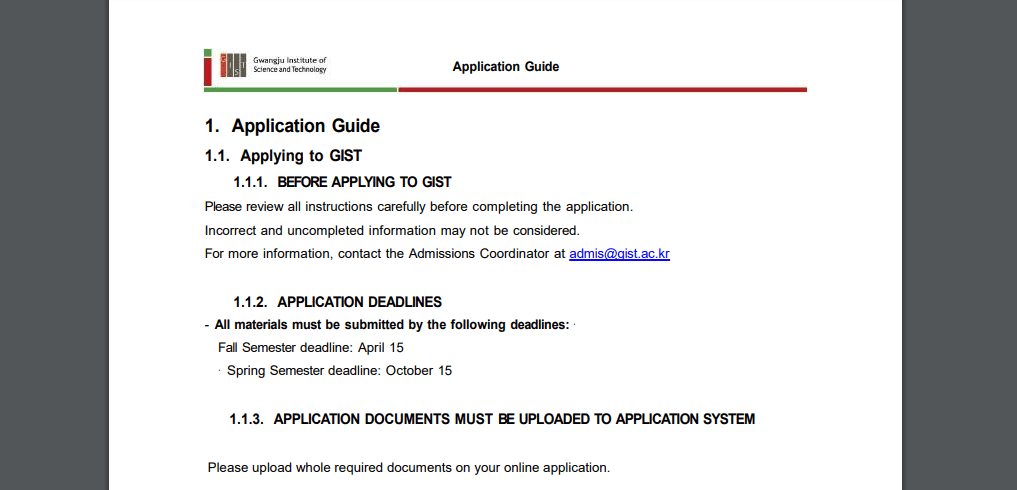
Applying for the Graduate Research Assistantship at the University of Idaho (UI)—specifically based out of the Nancy M. Cummings Research, Extension and Education Center (NMCREEC)—involves a direct email package submission to the Lead Principal Investigator followed by formal onboarding through the UI College of Graduate Studies portal.
1. Core Application Dossier
- Tailored Cover Letter:
- Format & Length: 1 to 2 single-spaced pages in
.pdfformat. - Subject Line Protocol: Must include the designated subject line (e.g.,
"Virtual Fence GRA") when emailing materials directly to the hiring faculty (Dr Melinda Ellison). - Key Content Focus:
- Express explicit interest in the NMCREEC-based research scope (e.g., rangeland management, livestock technology, virtual fencing).
- Detail relevant background skills: vegetation sampling, ArcGIS/onX mapping, 4WD/ATV operations, and trailer towing.
- Highlight leadership capacity, field resilience under extreme weather conditions, and readiness for online/hybrid graduate coursework.
- Format & Length: 1 to 2 single-spaced pages in
- Curriculum Vitae (CV) / Academic Resume:
- Format: 2 to 3 pages in
.pdfformat. - Technical & Field Skills Block: Dedicated section listing practical tool proficiencies (ArcGIS Pro, onX, GPS units), vehicle operation capabilities (4WD, ATVs/UTVs, trailers), and agricultural software.
- Research & Professional Track Record: Outline academic background, undergraduate research projects, previous range technician/ranch work experience, and any scholarly outputs (conference presentations, grant writing support, or peer-reviewed publications).
- Format: 2 to 3 pages in
- Contact Details for Three (3) Professional References:
- Information Required: Full name, current institutional or professional title, organization, professional email address, phone number, and a brief statement defining your working relationship.
- Composition: A mix of academic faculty (undergraduate research advisors or professors) and field/ranch supervisors who can vouch for your technical work ethic, independent research ability, and off-road driving/livestock handling capabilities.
2. Supplemental Documents (For UI Graduate Admissions Stage)
Once selected by the project PIs, candidates must submit secondary documentation through the official University of Idaho Graduate Admissions portal:
- Official Transcripts: Scanned copies of official transcripts from all previously attended colleges and universities verifying degree conferral within 3 months of starting.
- Proof of English Proficiency (If Applicable): Non-native English speakers must upload TOEFL or IELTS score reports through institutional code 4843.
- Driver’s Record Verification: Proof of a valid driver’s license to ensure authorization to drive university vehicles, ATVs, and haul research trailers
How to Apply
- Prepare your documents: Draft a strong cover letter, update your CV, and list three professional references.
- Send your application: Email all required materials to [email protected] with “Cattle VF-MS” as the subject.
- Wait for review: Applications are reviewed as they come in. Some candidates may be invited for an interview before the deadline.
- Follow up if needed: If you haven’t received a response after a few weeks, you can politely check in with the contact person.
Getting Ready for a Future Opening
Since this window has closed, the most useful step is watching Dr Ellison’s University of Idaho profile and NMCREEC’s postings directly, particularly as the March 2027 wildfire fuel-break project approaches its start date — that new funding stream is a genuine candidate to generate a fresh graduate opening at either Master’s or PhD level. If you have relevant experience in livestock handling, range science, or agricultural technology, reaching out directly with a well-prepared expression of interest, even without an active posting, is a reasonable approach given how actively this specific research group continues to grow.
Frequently Asked Questions
Is this Master’s position still accepting applications?
No. The deadline was 15 December 2025. Given this lab’s active grant expansion, including a new project starting March 2027, a related future opening is a genuine possibility.
What’s the difference between this position and the PhD version of the same programme?
This Master’s position offered a $27,000 annual stipend with a Bachelor’s degree requirement, while the PhD version required a Master’s degree and offered a higher $31,000 stipend. Both drew from the same broader virtual fencing research programme.
Is housing mandatory, or can I arrange my own?
Housing is optional. Free on-site dormitory accommodation was available near NMCREEC, but it wasn’t a mandatory condition of the assistantship.
Do I need prior ranching experience to be competitive?
It wasn’t strictly required, but experience in vegetation monitoring, livestock handling, or a ranching background was listed as a genuine advantage in the selection process.
How can I find out about future openings from this specific programme?
Watch Dr Melinda Ellison’s University of Idaho faculty profile and NMCREEC’s job postings directly, particularly as the 2027 project approaches its start date.
Disclaimer: All position details, deadlines, and eligibility criteria in this post were verified from official and publicly available University of Idaho sources as of August 2026. Whether a similar position will be offered again is unconfirmed. Always confirm current availability directly with the University of Idaho before planning around this opportunity. ScholarWaka is not affiliated with the University of Idaho.
Official Application Portal
Join ScholarWaka Community
Get the latest scholarship updates and study abroad opportunities before anyone else.